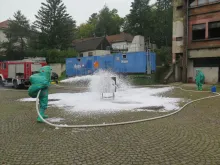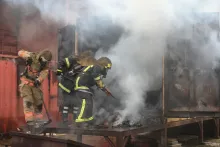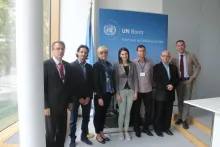
 Disasters and complex emergencies often result in significant environmental impacts. Therefore, a key element of emergency response is the rapid identification and mitigation of environmental risks. The United Nations Environment Programme (UN Environment) / United Nations Office for the Coordination of Humanitarian Affairs (OCHA) Joint Environment Unit (JEU) was established in 1994 to coordinate international response to environmental emergencies whenever international assistance is requested by affected countries. The JEU can deploy environmental experts and equipment, conduct rapid environmental assessments, and provide remote support. Depending on the type of emergency and requested assistance, the experts can be deployed as part of United Nations Disaster Assessment and Coordination (UNDAC) teams or on standalone environmental emergency missions.
The Environment and Emergencies Training (EET) is organized by the JEU in partnership with DPPI SEE and the Protection and Rescue Directorate of North Macedonia as the host organization. The course builds upon the introductory sessions on environment and emergencies integrated in UNDAC Induction and Refresher courses. The training provides participants with knowledge, skills and understanding of potential environmental impacts caused by disasters and of how to apply relevant tools and approaches to minimize negative impacts to human health, livelihoods and the environment.
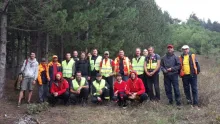

 Specific objective of the event was to connect civil protection administrations and civil society organizations while demonstrating ways to build mutual understanding, support and cooperation in the area of search and rescue operations in the nature. Through a set of interactive workshops participants had an opportunity to learn and further develop various survival techniques and to participate in a simulated crisis situation in the nature.
 Targeted audience were representatives of the civil sector/ scout organizations and the SEE national disaster management authorities/ Red Cross/ Mountain rescue services respectively.


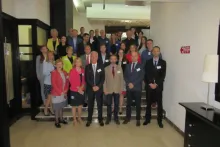
 The Risk Assessment Workshop that happen in Belgrade this week, was the first event for 2022 under the Disaster Management Training Program. It was a contribution of the Ministry of Interior of Republic of Serbia – Sector for Emergency Management to the program itself with a goal to exchange updates and novelties on the topic. Despite the host country, disaster risk assessment experts from Albania, Bosnia and Herzegovina, Croatia, Montenegro, North Macedonia, Romania, Slovenia and Turkey had the possibility to present key elements of their national risk assessments and future plans. At the workshop, we also had representatives from UNDRR who presented the results from the Risk INFORM Index for SEE and the Make My City Resilient 2030. At the end of the workshop, the experts agreed that a permanent working group within DPPI SEE should be established that will meet regularly and on annual basis to discuss and share information on disaster risk assessment processes and challenges.
 The course was hosted, organized and facilitated by ACPDR (Administration of the Republic of Slovenia for Civil Protection and Disaster Relief) in cooperation with NPRD (National Protection and Rescue Directorate of the Republic of Croatia).
 (DRR).
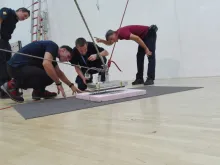


 The training held in Belgrade was a continuation of the basic training on PDNA that was conducted in Sarajevo in February 2020. This time and thanks to the collaboration with the UNDP regional office in Istanbul, the training focused on building future trainers on PDNA in the region of SEE. A three-day training program included presentations as per the PDNA training modules, as well as interactive lectures, case studies, group exercises and practical analysis. The training informed designated civil protection representatives from the DPPI SEE member states about the advantages of applying standardized approach and methodology to conduct post disaster needs assessments and formulate recovery strategy. This year DPPI SEE and UNDP are collaborating on another activity as well and that is the preparation of the recovery capacity assessment for the DPPI member states, aiming to support disaster management and recovery planning process more effectively.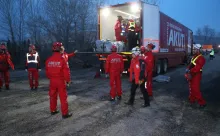

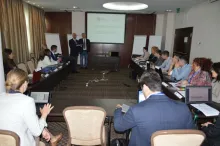


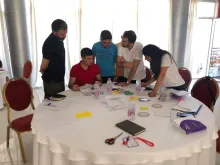


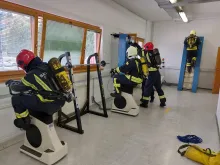
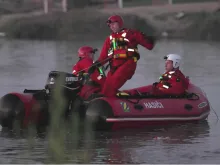
 The field exercise RO-MODEX 2017 was hosted by IGSU (General Inspectorate For Emergency Situations of Romania) and was organized in a Consortium with National Centre APELL for Disaster Management, State Rescue Fire Service, Latvia (SFRS), Austrian Red Cross (ARC), Protection and Rescue Directorate of Macedonia, General Directorate for Civil Security and Crisis Management of France and United Nations Environment Program (UNEP).
 The aim of this exercise was to give the opportunity to EU civil protection modules and teams to have a functional full-scale exercise at European level according to Union Civil Protection policies and procedures aimed to enhance knowledge on: interoperability, safety and security, self-sufficiency, procedures, coordination and learning opportunity.